
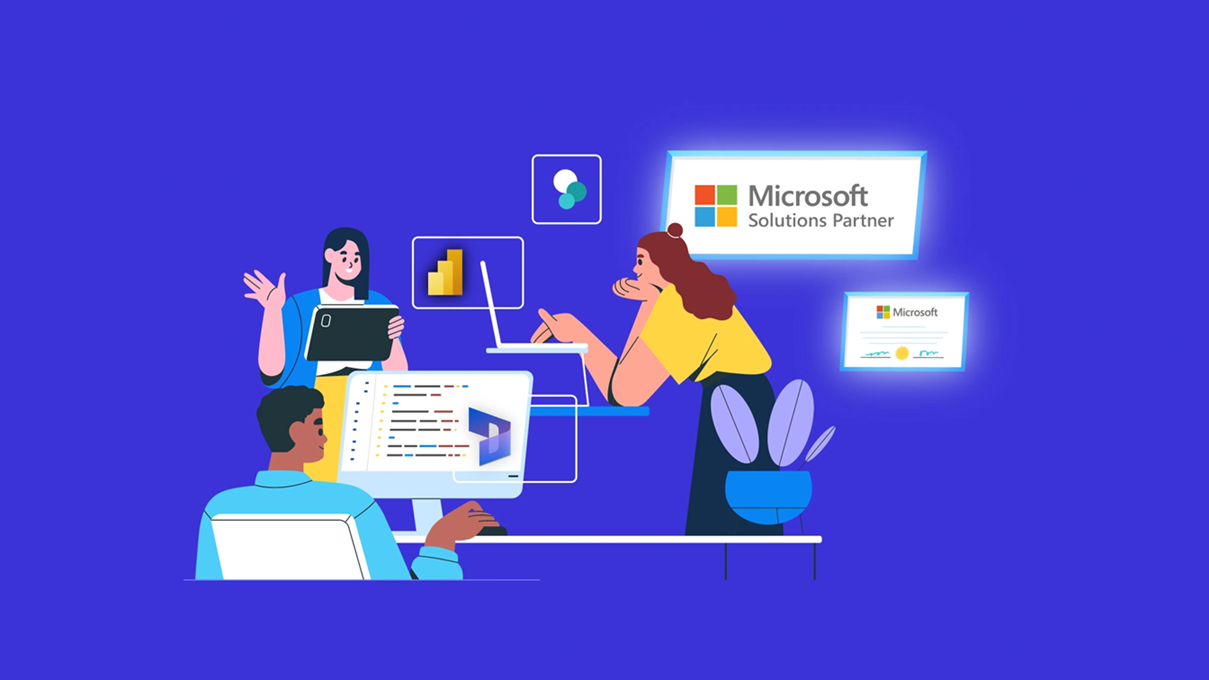
Digital transformation sounds exciting until systems stop talking to each other. That’s when reality hits. Businesses invest in tools, but results depend heavily on who implements them. Choosing the right Microsoft partner in Kuwait often decides whether a project succeeds quietly or fails loudly.
This blog breaks down the certifications that actually matter, why they are not just logos, and how to make a smarter partner decision without second-guessing later
Why Microsoft Certifications Carry Real Weight
Microsoft has tightened its partner program in recent years. Certifications are now tied to performance, not just exams. That shift changed everything.
A certified Microsoft solution partner must prove:
- Successful project delivery.
- Skilled and certified team members.
- Measurable customer outcomes.
That means fewer experiments and more structured execution. Industry data from Microsoft’s partner ecosystem suggests certified partners consistently deliver faster deployments and fewer post-launch issues. It’s not magic. It's experience backed by standards.
The Certifications That Actually Matter
Not every certification deserves attention. Some are broad. Others directly impact your business systems.
Microsoft Solutions Partner Designation
This is the core certification today. It replaced older “Gold Partner” labels and focuses more on results.
It covers key business areas like:
- Business Applications.
- Data and AI.
- Security and Infrastructure.
A partner holding this designation has demonstrated real capability across Microsoft technologies, not just theoretical knowledge
Microsoft Dynamics Partner Certification
This one matter most for businesses dealing with CRM or ERP systems. A certified Microsoft Dynamics partner works on:
- Dynamics 365 CRM setup.
- Finance and operations workflows.
These systems are complex. Poor implementation can create confusion instead of efficiency. Certified partners understand how to align the software with actual business processes. Do not just install it and walk away.
Advanced Specializations
These are deeper credentials. They show expertise in very specific areas.
Examples Include:
- AI and machine learning solutions.
- Data analytics using Power BI.
- Low-code application development.
- Clear project structure.
- Defined phases, fewer delays, better coordination.
- Better integration capability.
- Connecting CRM, analytics, and operations smoothly.
- Long-term support mindset.
- Training teams and improving systems after launch.
- Awareness of compliance and security.
- Especially important for regulated industries.
Reporting became accurate.- Sales tracking improved.
- Manual work has been reduced significantly.
- Experience with similar industries.
- Ask for real examples, not generic claims.
- Understand how they handle post-launch support.
- Choosing based on price instead of expertise.
- Ignoring certification levels.
- Skipping technical discussions during evaluation.
- Underestimating training and support needs.
Advanced certifications indicate a higher level of technical maturity. These partners are often involved in more complex, high-value projects.
What a Certified Partner Actually Brings
Certifications translate into real-world advantages. Not always visible at first, but obvious during execution.
Without this foundation, projects tend to drift. Timelines stretch. Costs increase.
A Real Situation That Shows the Difference
A regional retail company adopted Dynamics 365 through a low-cost, non-certified vendor. The initial setup looked fine. Problems appeared within months. Data duplication, reporting errors, and manual fixes became part of daily operations.
A certified Microsoft solution partner later restructured the system. They cleaned data flows, redesigned workflows, and trained the internal team.
The outcome was noticeable:
Fixing the system costs more than doing it right the first time. That’s usually how these stories go.
How to Choose the Right Microsoft Partner in Kuwait
Certifications are the starting point, not the final decision. Focus on alignment. Not just capability:
A good Microsoft Dynamics partner will spend time understanding your workflows before suggesting solutions. That process matters more than a quick proposal.
Common Mistakes Businesses Make
Small decisions during partner selection often led to big issues later.
These mistakes don’t show immediately. They appear during scaling, when systems are under pressure.
Certifications vs Experience
This is not an either-or situation. Certifications prove that a partner meets Microsoft’s standards. Experience proves they can handle real-world complexity.
The best outcomes come from partners who combine both. Structured knowledge with practical execution
Conclusion
Technology alone doesn’t transform a business. The right implementation does.
Working with a qualified Microsoft partner in Kuwait reduces uncertainty, shortens timelines, and improves long-term performance. Certifications act as a filter. They help identify partners who have already solved problems similar to yours. Rushing this decision usually leads to rework. Careful evaluation leads to smoother growth.
That balance of certification, experience, and practical understanding is where companies like Al Hakimi United stand out
FAQ
Q1 - What is a role of Microsoft partner in Kuwait?
A Microsoft partner in Kuwait is a certified company authorized to implement and support Microsoft solutions like Dynamics 365, Azure, and Power Platform.
Q2 - Why should I choose a Microsoft solution partner?
Q3 - What is a responsibility of Microsoft Dynamics partner?
A Microsoft Dynamics partner focuses on CRM and ERP systems, helping businesses manage sales, finance, and operations through Dynamics 365.
Q4 - How can I check if a Microsoft partner is certified?
Microsoft provides an official partner directory where businesses can verify certifications, specializations, and partner credentials before making a decision.